Categorii produse
- The Green Component
- Energy
- Battery Energy Storage Systems (BESS)
- Renewable Energy Systems
- Uninterruptible Power Supply
- Rehlko Generator Sets
- Data Centers
- Industrial Technique & Construction Machinery
- Probst paving tools and devices
- Handling technology for fully automated factories
- New machinery and tools from Probst
- Handling technology for construction material factories
- Devices for cranes
- Manipulation technology for construction material factories: pipes and inspection chambers
- Paving stones cutter
- Handling technology for construction material factories: pavers and blocks
- Installation of pre-fabricated curbs and vacuum technique
- Handling technology for construction material factories: vacuum-based technology
- Pipe assembly
- equipment for transporting stone blocks / concrete elements
- Stone/concrete tiles installation devices
- Roof mounting handling equipment
- Separation elements installation devices
- Joint filling and surface cleaning equipment
- Highway dividers installation devices
- Pavers installation and handling devices
- Mounting surface preparation equipment
- Compaction plates
- Special Offers
- Concrete vibration/finishing equipment
- Miller Welding Machines
- Concrete/asphalt cutting machines – discs
- Surface preparation equipment
- Probst paving tools and devices
- Garbage trucks
- Environment


Generators for Agriculture and Farms
Product Description
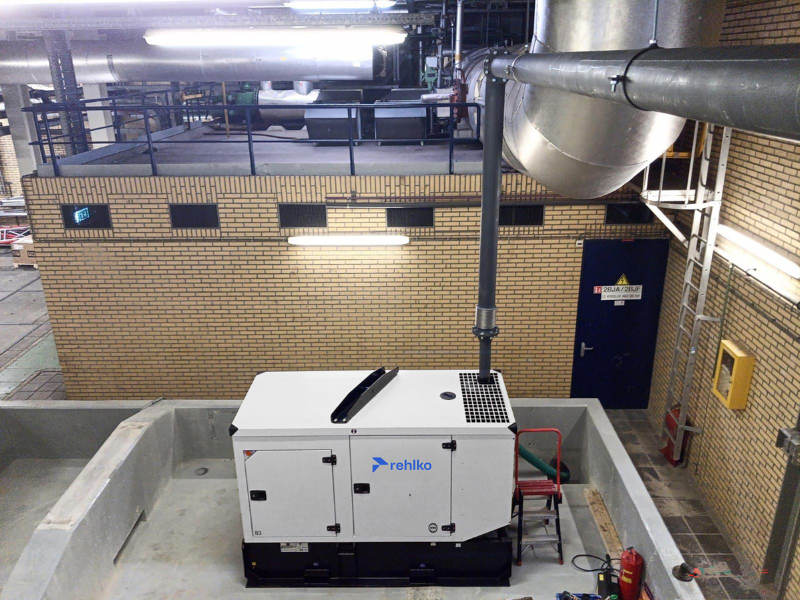
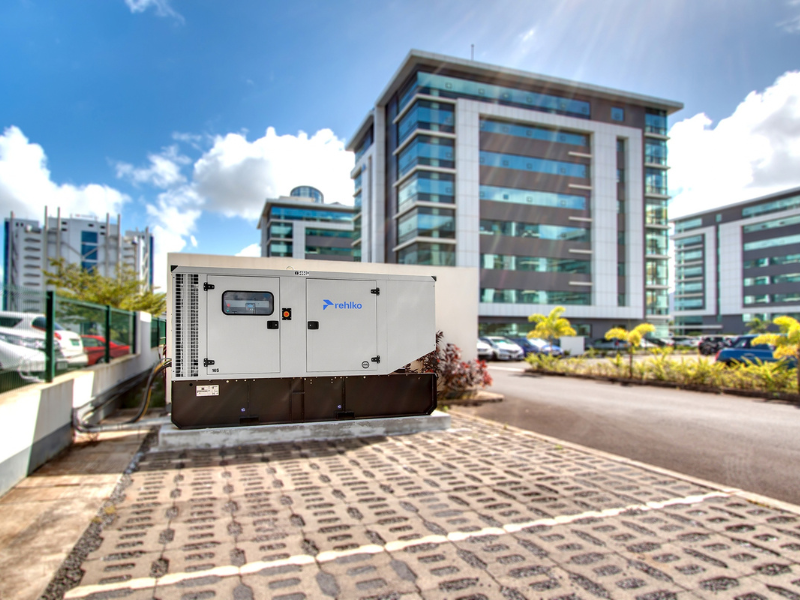
In agriculture, electrical power directly affects animal housing conditions, irrigation and the storage of produce. A ventilation failure on a livestock farm or a refrigeration outage can have consequences that go well beyond operational delays. Industrial generators provide backup power for essential loads and can supply equipment in locations without access to the utility grid.
Where are generators needed in agriculture?
Requirements vary according to the type of farm, its level of automation and the seasonal nature of its activities. Key applications include:
- Livestock farms: powering ventilation, water pumps and automated feeding systems to maintain appropriate conditions for animals.
- Dairy farms: supporting milking systems and equipment for cooling and storing milk.
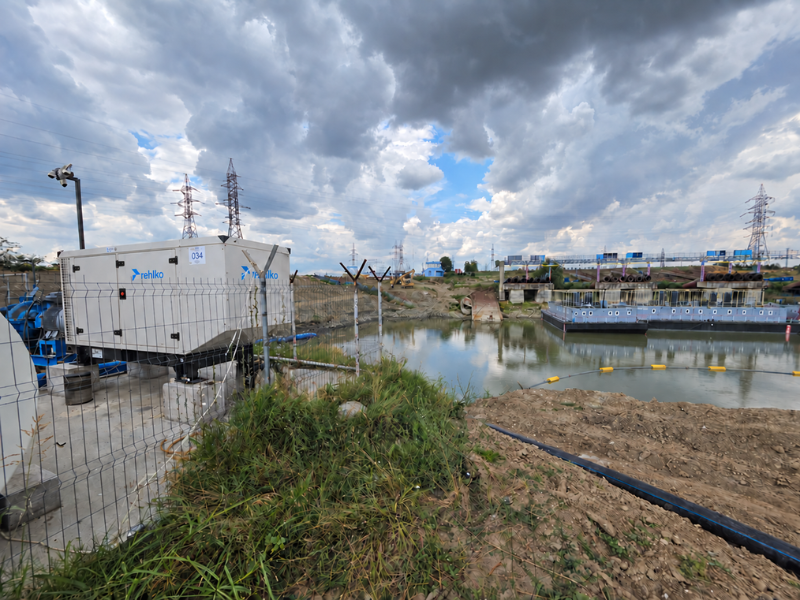
- Irrigation systems: powering electric pumps and automatic controls, including at remote sites.
- Greenhouses: supporting ventilation, irrigation and electrical climate control equipment.
- Storage facilities: supplying refrigeration systems, grain ventilation and equipment used to handle produce.
In each case, identifying priority loads allows the available capacity to be directed towards processes whose interruption could cause losses.
Backup power or daily operation?
On a grid-connected farm, a generator can start automatically during an outage and take over the circuits designated in the system design. For control systems that cannot tolerate interruptions, UPS systems can maintain power during generator starting and transfer.
In locations without a grid connection, the generator becomes the main power source. Selection must account for daily operating hours and variations in demand. The standby power rating must not be used as the sole reference for an application involving daily operation, such as powering an irrigation pumping station.
How is a generator solution sized for a farm?
Required capacity is determined by the equipment operating simultaneously and its starting requirements. Pumps, fans and refrigeration compressors can briefly draw higher currents during starting than during normal operation. Starting them in stages can reduce the demand placed on the generator.
Seasonal differences must also be assessed. A farm may have high demand in summer, when ventilation and cooling are used intensively, and a different load profile during the rest of the year. Sizing aims to cover demanding periods while avoiding prolonged operation at excessively low loads.
Runtime is determined by the expected load, the outage durations considered in planning and access for refuelling. At remote sites, remote monitoring can help track generator status and report alarms.
Preparing for critical periods
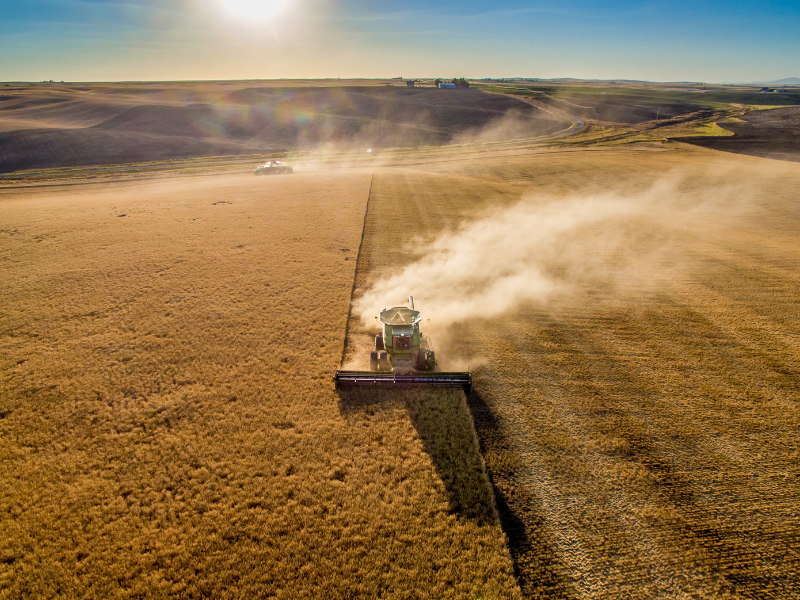
Checks before the irrigation season, harvest or periods of extreme temperatures help identify problems in advance. These should cover starting batteries, fuel, cooling, filters and automatic controls, alongside operational and transfer testing.
Dust and crop debris can affect airflow and equipment cooling. Installation and maintenance must ensure adequate ventilation, exhaust discharge away from occupied spaces and access for servicing.
Best Tools solutions for agriculture and farms
Best Tools Company provides Rehlko industrial generators tailored to agricultural applications, with consultancy, configuration, delivery and commissioning services. Rental solutions are also available for seasonal or temporary requirements, configured according to the loads and intended period of use.
Ongoing support includes preventive maintenance, periodic inspections and service interventions, delivered through its technical team and nationwide network of mobile service units.
Contact the Best Tools team to select a power solution tailored to your farm or agricultural operation.