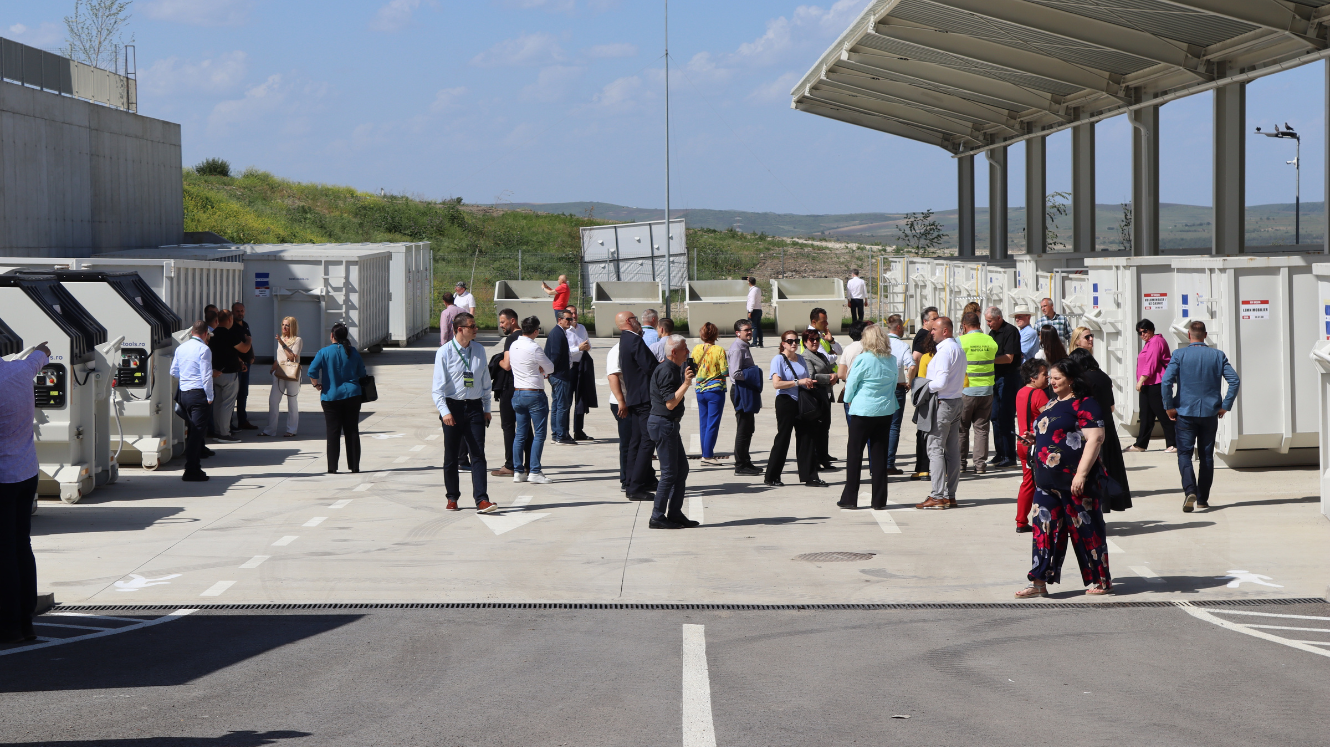
On 27 May, Cluj-Napoca became an important meeting point for specialists in environmental services, public administration and the waste management industry, during the conference “Circular Economy in Practice”. The event brought together representatives of local and county public authorities, Intercommunity Development Associations, public service operators, industry companies, technology providers, experts and professional organisations in the field.
The conference, organised by FADI – the Federation of Intercommunity Development Associations, EcoAtitudine Association and InfoMediu Europa Magazine, in partnership with the Ministry of Environment, Waters and Forests, focused on the transition from theoretical discussions to concrete implementation. In a context where the circular economy is no longer just a future objective, but an obligation driven by European targets and by the real needs of communities, the event highlighted practical solutions, investments and functional projects.
From discussion to real-life implementation
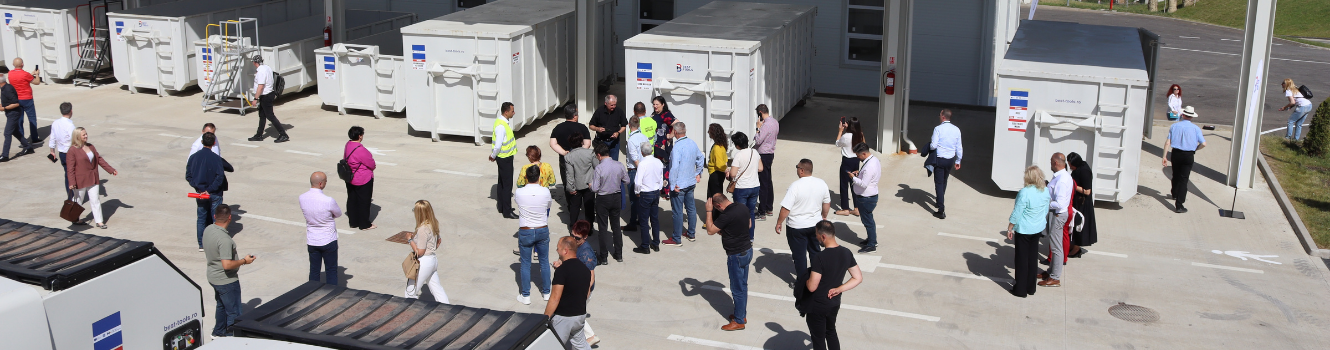
One of the most important aspects of the conference was its practical approach. In addition to the discussions on the development of municipal waste treatment and management infrastructure, investment financing, digitalisation, traceability and extended producer responsibility, participants also had the opportunity to visit a relevant local project: the Large Voluntary Drop-off Centre in Cluj-Napoca.
The technical visit naturally complemented the conference sessions. While the discussions focused on strategies, policies, challenges and investments, the visit showed how these concepts are translated into real infrastructure, made available to the community.
The role of a large voluntary drop-off centre in the community
A Voluntary Drop-off Centre is much more than a simple waste collection point. It is an organised facility where citizens can bring different types of waste that should not enter the regular household waste stream. Through this type of infrastructure, separate collection becomes clearer, more accessible and more efficient.
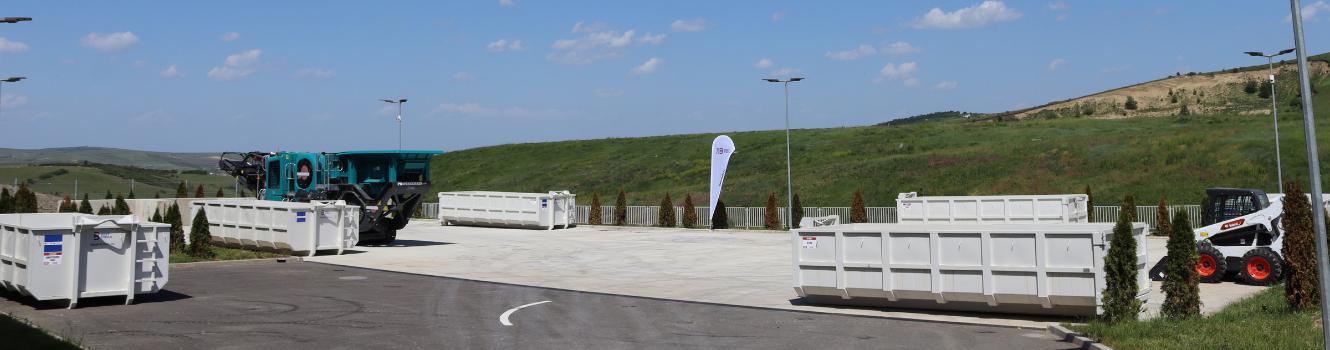
The Large Voluntary Drop-off Centre in Cluj-Napoca is an important example of local infrastructure dedicated to separate collection. By organising waste flows, using dedicated equipment and enabling the management of multiple categories of materials, the centre contributes directly to reducing pressure on the standard collection system and increasing the chances that waste is properly recovered or recycled.
In the circular economy, every stage matters: collection, sorting, treatment, compaction, temporary storage and transfer towards recovery. A well-equipped centre can make the difference between waste managed inefficiently and materials that can re-enter, where possible, the economic cycle.
Best Tools solutions for an efficient operational flow
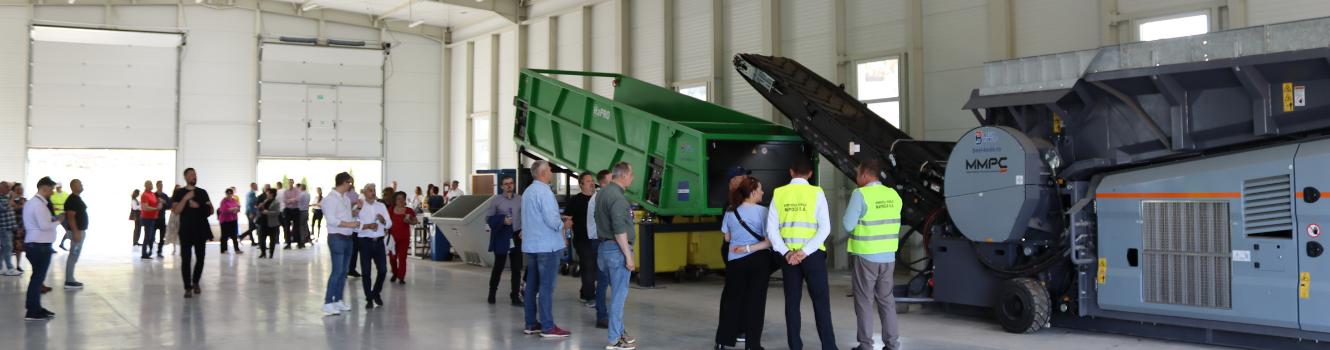
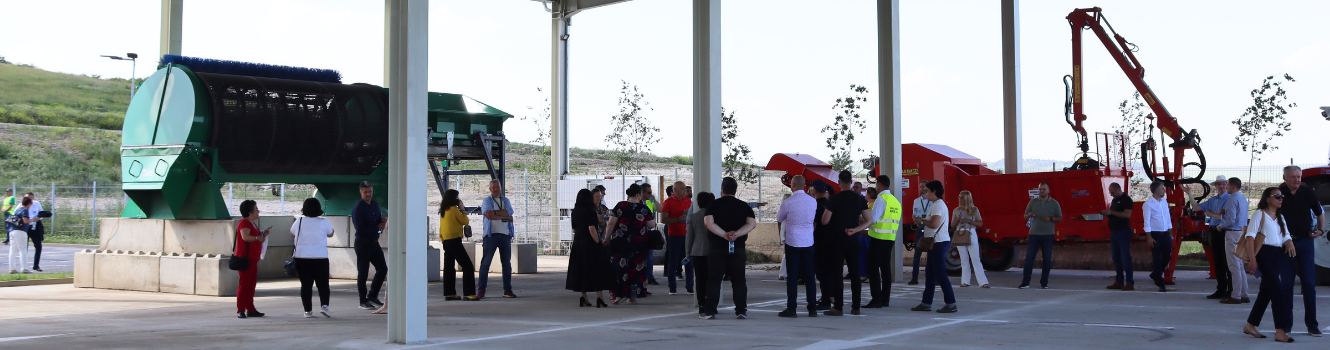
The Large Voluntary Drop-off Centre in Cluj-Napoca was equipped by Best Tools with solutions designed for several stages of the waste management process. The equipment supplied includes compacting containers, standard containers, refrigerated containers, crushers, shredders and other specialised equipment.
These solutions support the efficient operation of the centre and help ensure the correct management of different waste streams. Compacting containers help reduce volume and optimise transport. Standard containers support organised collection. Refrigerated containers are useful for specific waste flows that require controlled conditions, while crushers and shredders help reduce material volume and prepare waste for the next processing stages.
Through this equipment, the centre becomes more than a temporary storage facility. It becomes an active link in the circular economy chain. The right equipment supports order, efficiency, operational safety and better resource recovery.
Circular economy works when infrastructure works
One of the key messages of the conference was that Romania is entering a stage where discussing objectives is no longer enough. Visible results, functional investments and collaboration between public authorities, operators, Intercommunity Development Associations and technology providers are essential.
The Large Voluntary Drop-off Centre in Cluj-Napoca reflects exactly this direction. It is a project that supports separate collection at local level and demonstrates that the circular economy requires infrastructure, equipment, clear processes and the involvement of all relevant stakeholders.
For Best Tools, the visit was also an opportunity to present, directly in the field, solutions that do not remain only at the level of a concept or technical proposal. These are installed pieces of equipment, integrated into a real operational flow and used within a project that serves the community.
A practical example of good practice
The visit to the Large Voluntary Drop-off Centre in Cluj-Napoca was particularly relevant because it connected theory with practice. Participants were able to see how investments in environmental infrastructure are implemented and what a centre prepared to manage diverse waste flows looks like in real life.
Projects of this kind are essential for reaching assumed targets and for developing a more efficient system for collection, treatment and recovery. They provide communities with real tools for separate collection and create the foundation for a more responsible approach to resource management.
The circular economy may sound good in conferences, but it truly matters when it works in communities. The Large Voluntary Drop-off Centre in Cluj-Napoca is a concrete example of this transition from idea to implementation.